It’s close, only four days. These are the days that seem the longest, the lead up to the opening day, but I’ve kept busy with preparations and frankly the last few weeks have passed by quicker than expected.
I had purchased a new vice in January, and got to work tying this year’s supply of flies. I tend not to lose many, and still had more than enough from previous years, but tying flies in the off season is actually a fun way to pass the time, so I went through the old and replaced any that needed sprucing up, or that I just wanted to tie a little better. I also had decided to take a different approach to the waters this year, intending to fish sub surface in different types of waters, so I needed the right type of flies.
Typically I prefer dry fly, or surface fishing, since I love the art of casting. Truth is most trout are caught sub surface, and I figured this year I’d better start fishing there a lot more. It’s not that I haven’t had success; last year I caught approximately 80 fish, which is comparable to the numbers for the previous years as well, but those were just average sized fish. This year I want the big guys.
I also added to the equipment, picking up another set of waders, wading boots and a rod/reel combo designed specifically for really big fish, such as tarpon, bonefish, ocean salmon and smaller sharks. I’ll use it for the migratory chinook and steelhead, but this won’t be until the prime season ends after September. So, I’ve passed the off months well.
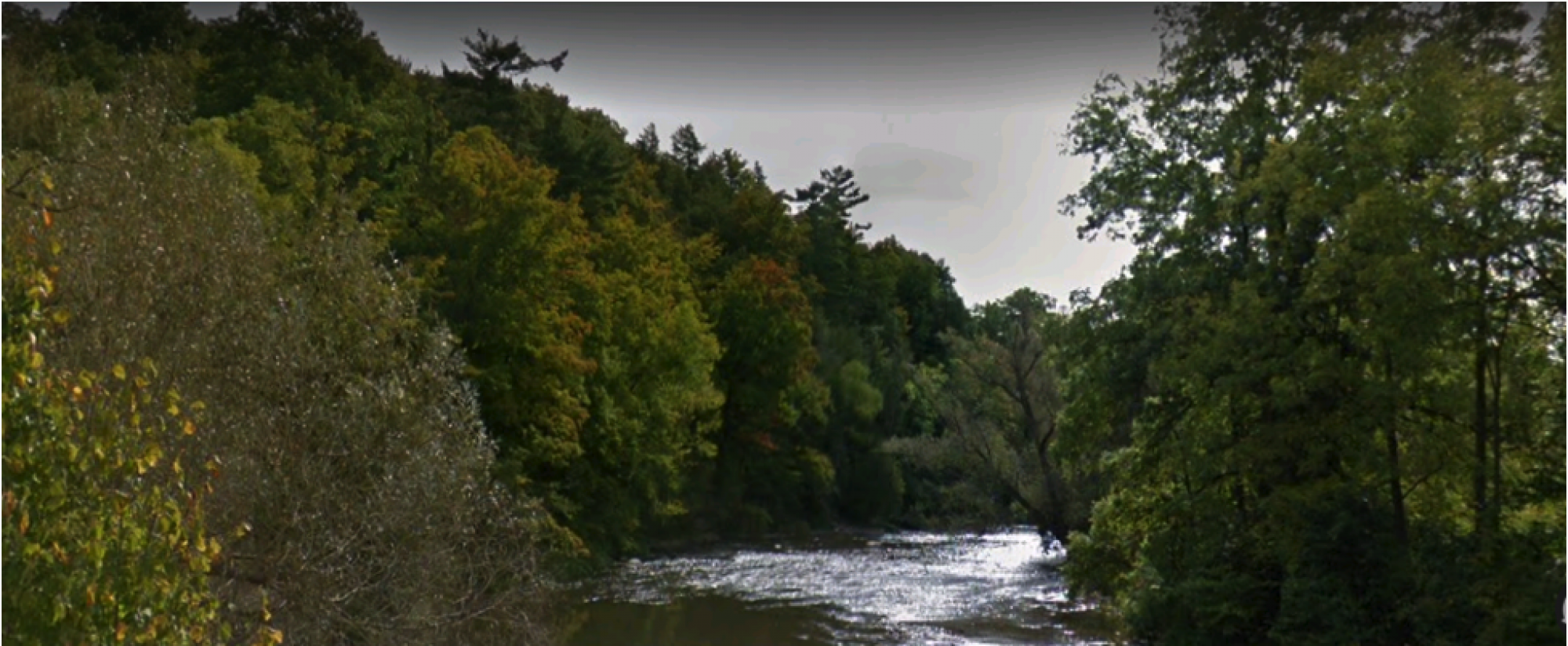
I’ve also done some preparations for new sites, by calling up owners of private lands such as golf courses, churches etc. to see if I can access waters that run through their property, and they have been quite generous and accommodating. This might be the most important type of preparation, as it has opened up access to areas that have not been fished for many, many years, if ever. That is exciting, because there should be an abundance of unsullied waters full of unsuspecting, complacent trout.
I chose these areas very carefully, poring over satellite maps and images to locate prime waters, then scouting out the terrain in person to see what type of access there was and what would be involved in hiking to the locations. Understandably, these locations will remain unnamed, at least until I fish them a few times and check them out. In the interim, when asked where I caught any fish, the answer will be “at the end of my line” 🙂
That may be presumptuous as I could come up empty, but I think if there is a fish there, I’ll find it.
 Come Fly With Me